We want to create the biggest online listing collection of Paradors around the world!
Please add you short stay parador rentals now.
A parador is a luxury hotel, most of the times located in a historic monastry or castle. Finding a great parador can be hard, so thats why we collect the most beautiful paradors from around the world for you!
11 Paradors found
List your parador on this page?
Add linkStaying in a parador: a practical guide to Spain's historic hotels and the inns that share their name
Imagine waking up inside a former monastery, having breakfast in a hall that once belonged to a palace, or looking out over a medieval city from your balcony at sunset. That is what a parador can offer. In Spain, paradores are hotels run by a state-owned company, and many of them are set in buildings that would otherwise be museums: castles, convents, palaces and fortresses. Others are modern buildings in areas of great natural beauty.
This guide explains what makes a parador stay different, how to pick the right one for your trip, and what to check before you book one of the places listed on this page.
Where the idea comes from
The Spanish parador network began in the early twentieth century to encourage travel and give visitors good places to stay. The very first parador opened in the Sierra de Gredos, a mountain range west of Madrid, chosen for its landscape rather than for a famous building. Later the idea grew to include restored monuments, giving many old buildings a new purpose.
The word itself is older than the hotels. In Spanish, a parador historically meant an inn or stopping place where travellers and their animals could rest for the night. The word is still used in parts of Latin America and elsewhere for inns, guesthouses and roadside stops, so not every place called a parador is part of the Spanish network.
Similar ideas around the world
Spain is not the only country that turned heritage into places to stay. In Portugal, the pousadas follow a similar concept, with hotels in castles, monasteries and manor houses across the country. In India, many former palaces, forts and havelis now operate as heritage hotels, letting guests sleep in rooms once used by royal families and merchants. In North America, the historic national park lodges offer a different version of the same idea: buildings designed to fit their landscape, giving travellers a comfortable base in places of great natural beauty.
Choosing a parador by setting
The biggest decision is whether you want history within the walls or nature outside the window.
- Historic buildings. These are the paradores most people picture. In Granada, the parador sits within the grounds of the Alhambra. In Santiago de Compostela, it stands on the main square next to the cathedral. In León, it occupies a grand former monastery. In Cuenca, it is set in a former convent near the famous hanging houses. You can explore the monument early or late, when day visitors have gone.
- Views over historic towns. Some paradores are chosen for what they look at rather than what they are. The parador in Toledo is known for its view over the old city.
- Nature and landscape. Paradores in modern buildings are often placed in mountains, on the coast or near protected areas. They suit walkers and anyone who wants quiet and a base for day trips.
Rooms in old buildings
A room in a former convent or castle is a special experience, but it comes with some features you should know about in advance.
- Thick walls. Old stone walls keep rooms cool in summer and quiet at night. They can also weaken Wi-Fi and phone signal.
- Varying room sizes. Rooms in historic buildings were not designed to a single plan. One may be large with a high ceiling, the next compact with a small window set deep in the wall. If size matters, ask about the specific room type.
- Stairs and corridors. Expect long corridors, steps between wings and uneven floors. Many historic hotels have added lifts, but not every corner can be reached without stairs. Ask about access if anyone in your group has limited mobility.
- Character over uniformity. Antique furniture, tiled floors, cloisters and courtyards are part of the charm.
Regional food in the restaurants
Eating in the restaurant is one of the pleasures of a parador stay. The menus usually focus on the cooking of the surrounding region, so what you eat changes as you travel. Expect seafood in Galicia, roasted meats and hearty stews in Castile, and dishes built around olive oil, vegetables and fresh fish in the south. If you are staying somewhere remote, the restaurant may be your only option for dinner, so check opening days in advance, especially outside the main season. Spanish meal times are late, with lunch well into the afternoon and dinner often starting after nine in the evening.
Driving routes that connect paradores
Because paradores are spread across the country, many travellers plan a road trip that links several of them. A car makes hilltop and mountain locations easy to reach. A route through the interior might combine Toledo and Cuenca, while a northern route could link León with Santiago de Compostela. In the south, Granada makes a natural highlight of any Andalusian itinerary. Keep daily distances modest so you have time to enjoy each stop. Parking can be limited in old town centres, so ask the hotel where to leave the car.
The Camino de Santiago
The Camino de Santiago, the pilgrim route to the cathedral city in Galicia, has a natural link with the idea of a parador as a place for travellers to rest. The parador in Santiago de Compostela, right next to the cathedral, has a long history of hosting pilgrims, and León lies on the popular French Way. Many walkers treat themselves to a parador night along the way or at the finish. If you plan to arrive in Santiago at a busy time, book early.
Spain's seasons and when to go
- Summer can be very hot inland, especially in cities like Toledo, Granada and Seville. Plan sightseeing for the morning and evening, and choose rooms with good air conditioning. The north and the mountains stay cooler.
- Winter is mild in the south and on the coasts, which makes it a pleasant time for city visits. The interior plateau and the mountains can be cold, sometimes with snow.
- Spring and autumn are often the most comfortable seasons for travelling across the whole country.
- Festivals and Easter week. Semana Santa, the week before Easter, brings processions to towns across Spain, and local festivals take place throughout the year. These are wonderful to experience, but rooms fill up quickly and prices can rise, so book well ahead.
Questions to ask before you book
- Is the room in the historic part of the building or in a newer wing?
- How large is the room, and does it have a view over the town or landscape?
- Are there stairs to reach the room, and is there a lift?
- Is there parking on site, and is it included in the price?
- Is the restaurant open every day during my stay, and should I reserve a table?
- Does the room have air conditioning and heating?
- Is breakfast included, or is it charged separately?
- What is the cancellation policy, especially around holidays and festivals?
- Are children and pets welcome?
How to book
The best way to book is directly with the hotel or through its official website, where you can see the room types, check availability and read the conditions clearly. It also makes special requests easier. For stays during festivals, Easter week or the height of summer, book as early as possible. If you are planning a route with several stops, reserve the most popular locations first and build the rest of the trip around them.
Find your parador in this collection
The paradores and traditional inns on this page are grouped by continent, country and region. Each link goes to the owner's own website, so you can look at the rooms, check availability and book directly. Do you run a parador, an inn or a historic hotel that welcomes travellers? Add your link to the collection for free using the button above, and help guests find their next place to rest along the road.
Looking for an awesome place to spend your holiday?
Or want to advertise your houseboat, lighthouse, treehouse or glamping?
Check these links below!
Blog posts
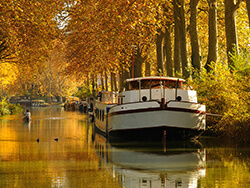
Barge river cruises in France
River cruises in France are the next luxury holiday destination. Cruise your private barge with cook down the French rivers.
Read more..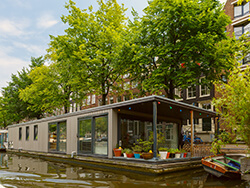
Rent a houseboat in Amsterdam
A houseboat is a great place to stay when visiting Amsterdam. Stay close to the city center but have a lot of private space.
Read more..